
Design + Everyday Living
How do you design a custom home to work as life changes?
By Jonathan Cortez · Edge Crew Custom Homes
Updated September 15, 2026
Make everyday routes easier now, and plan for needs that may change later.
Designing for life changes means making the home easier to use now and reducing avoidable obstacles later. Start with the route into the house, the rooms you need every day and the space to move comfortably through them.
This is not only a retirement question. An injury, a visiting parent, a growing household or a change in how you work can make a familiar plan feel very different.
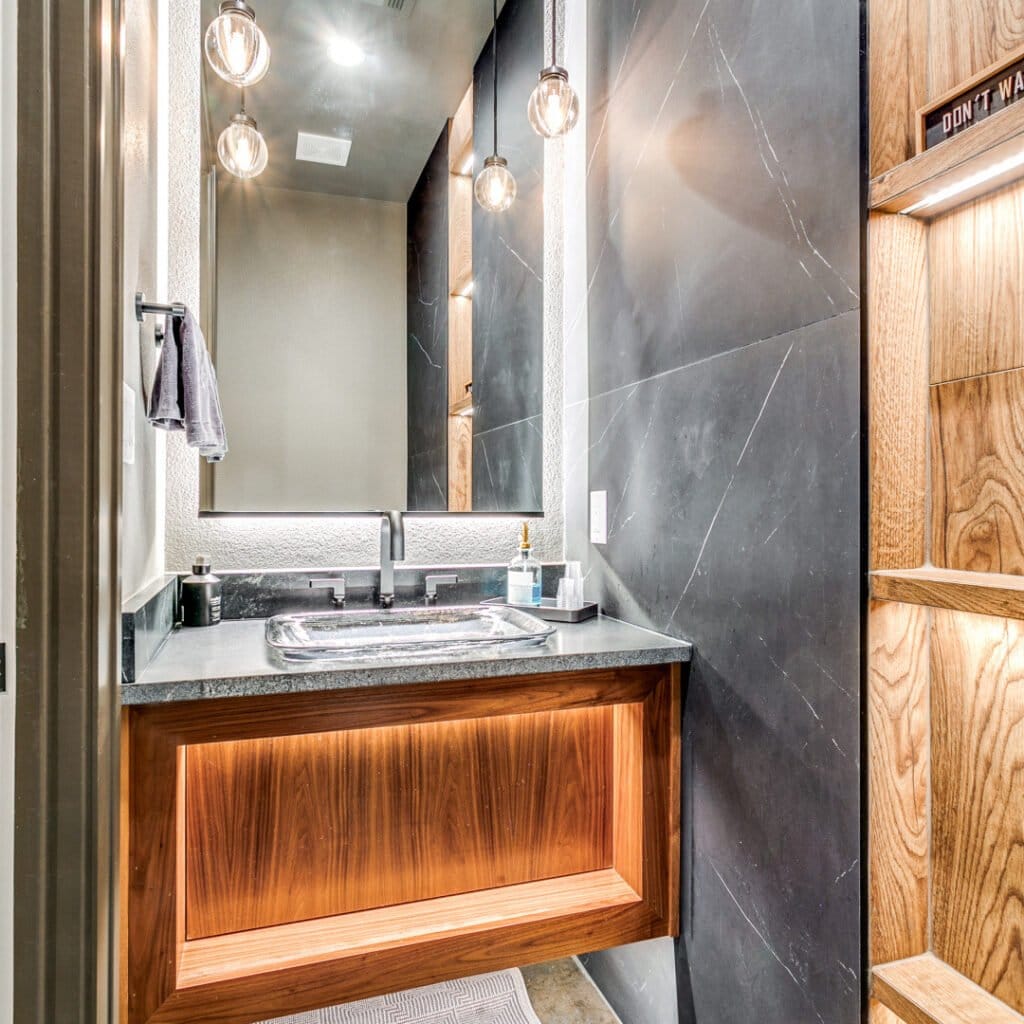
Follow the everyday route
Trace the trip from the vehicle to the kitchen, bedroom, bathroom and outdoor living area. Discuss steps, door openings, turning space and floor transitions with the design team. Evaluate the actual finished arrangement, including door swings and furniture.
A convenient primary living level can reduce dependence on stairs. Where the property requires multiple levels, discuss access options early so structure and space can be coordinated. Do not assume an elevator can simply be fitted in later.
Give bathrooms careful attention
Think about entry, shower access, movement around fixtures and places to sit or set things down. If future support bars may be useful, discuss backing and the intended locations before walls are closed.
No single feature makes a bathroom suitable for every person. If someone has a specific mobility or care need, bring that information into design and involve the appropriate accessibility or care specialist. Dimensions and equipment should respond to the person using the room.
Make rooms useful in more than one way
A study near a bathroom might eventually serve as a bedroom. A guest suite can support longer visits. Storage that is reachable and lighting that is easy to control can improve daily comfort without making the home feel institutional.
Plan flexibility deliberately. A room called “flex space” is only flexible if its size, privacy, access and nearby facilities support the alternate use.
Choose the preparations that matter
Some decisions are easy to revisit, such as furnishings. Others are tied to the foundation, structure or room layout. Discuss the latter first, then weigh their value against your investment priorities.
The purpose is not to predict every possible future. It is to keep the home from making ordinary changes harder than they need to be. Bring the needs of the people who will live in and visit the home to our design conversation.
01 / Arrival
How easy is the route from the vehicle into the home?
02 / Daily rooms
Can you reach the rooms you use most comfortably?
03 / Preparation
Which future needs should the design team account for now?
Jonathan Cortez is a third-generation builder at Edge Crew Custom Homes, based in Bridgeport, Texas. Our work brings design, selections, budgeting and construction together for custom homes in North Texas. Meet our family.