
Energy + Performance
How do you bring in daylight without too much heat or glare?
By Jonathan Cortez · Edge Crew Custom Homes
Updated September 15, 2026
Place and shade windows for the room’s use. More glass alone doesn’t create better daylight.
Good daylight comes from the position and design of openings, not simply from adding more glass. Plan windows with the home’s orientation, shade, views, privacy and room use in mind. A beautiful window can be uncomfortable if it puts direct glare on the place where you work or relax.
Begin with the light you want in each room at the time you normally use it.
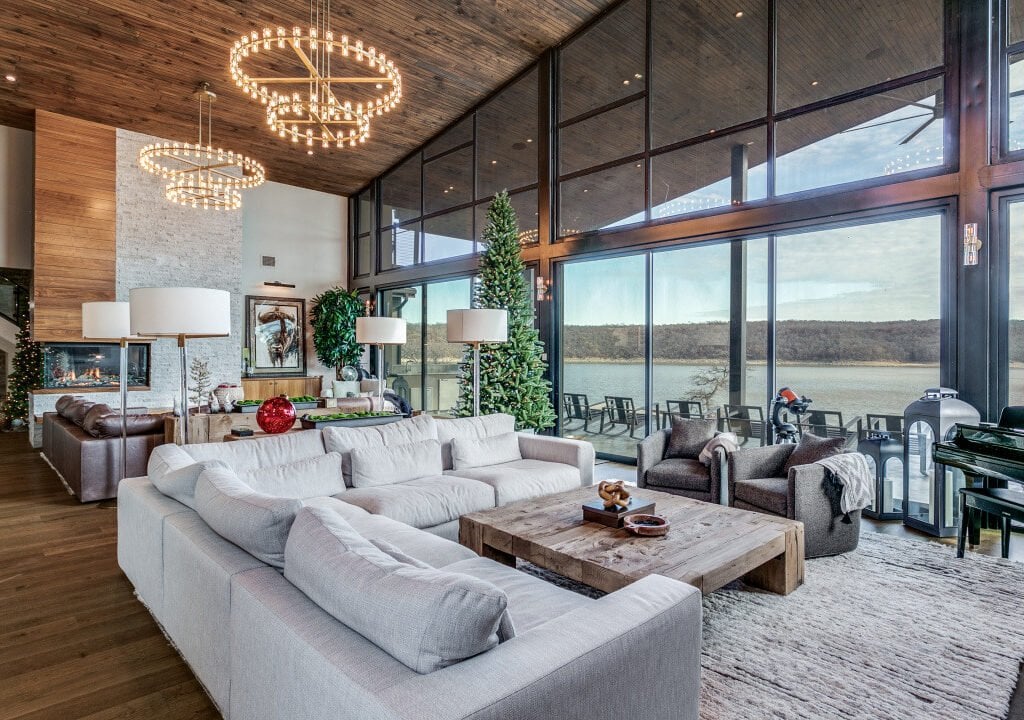
Look at the room and the site together
Mark where the sun reaches the property and what nearby buildings or trees shade. Discuss morning and afternoon exposure with the design team. Then place furniture, screens and work surfaces on the plan so the light can be evaluated in context.
A view may deserve a large opening. Another wall may work better with higher or more selective windows that bring in light while preserving privacy and usable wall space.
Coordinate shade with the architecture
Porches, overhangs and other shading features should be considered while the exterior is designed. Their usefulness depends on orientation and geometry. A deep roof does not provide the same protection from every sun angle.
Interior shades remain useful for glare and privacy. Plan space, power and access for them if needed, rather than treating them as an afterthought once the windows are installed.
Read the performance information
Window performance includes more than appearance or pane count. Ask the team to explain the selected product’s U-factor, solar heat gain coefficient and visible transmittance in relation to the room and climate. These describe different things: heat transfer, admitted solar heat and visible light. The Department of Energy’s window guidance is a useful starting point.
The product and the installation both matter. Flashing, air sealing and the connection to the surrounding wall need to be coordinated.
Balance the rooms
Walk through the plan looking for spaces that may feel dark beside a bright room, places where afternoon glare could be difficult and views that expose private areas. Use the review to adjust the plan before ordering windows.
We want the home to feel good to live in throughout the day. That may mean more glass in one location and a more controlled opening in another. Read how the home’s systems work together.
01 / Timing
When will you use the room, and where will the sun be?
02 / Comfort
How will shade, glare and privacy be handled?
03 / Performance
How do the specified windows and installation support the plan?
Jonathan Cortez is a third-generation builder at Edge Crew Custom Homes, based in Bridgeport, Texas. Our work brings design, selections, budgeting and construction together for custom homes in North Texas. Meet our family.