
Energy + Performance
What makes a custom home energy efficient?
By Jonathan Cortez · Edge Crew Custom Homes
Updated September 15, 2026
Efficiency comes from coordinated design and installation—not one premium product.
An energy-efficient custom home is designed as a coordinated system. The walls, roof, windows, air sealing, ventilation and heating and cooling equipment need to support one another. A premium product cannot compensate for gaps in the overall design or installation.
Start with comfort: which rooms need to stay comfortable, how the home will be occupied and how the property affects sun and shade. Those questions should inform the performance decisions before equipment is selected.
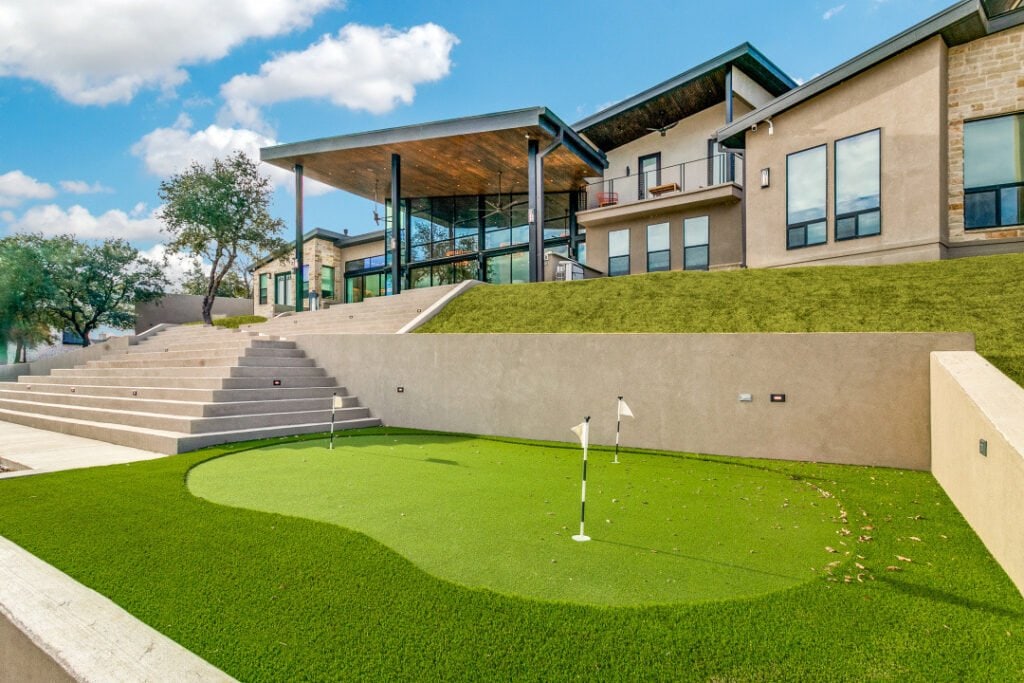
Start with the enclosure
The enclosure is the boundary between inside and outside. Discuss insulation continuity, window performance, air sealing and water management together. A well-insulated wall still needs carefully detailed connections at windows, doors and other openings.
Ask where the air barrier is located and how its continuity will be checked. The answer should describe an assembly and an installation approach, not simply name an insulation product.
Coordinate equipment with the actual home
Have the heating and cooling system designed for the planned home, including its orientation, windows and enclosure. Ask the mechanical designer to explain the load calculation, distribution and controls. Buying larger equipment is not a substitute for design.
Ventilation also needs deliberate attention. Discuss how outdoor air will be provided and how cooking, bathing and other moisture-producing activities will be managed. These decisions affect comfort as well as energy use.
Decide how performance will be checked
Before construction, ask what inspections and testing belong in the scope and when they occur. Examples to discuss include air-leakage testing, duct testing where applicable and equipment startup checks. Agree on the applicable targets and who reviews the results.
A test is most useful when the team has a plan to respond to it. Some installation issues are easier to correct before finishes cover the work.
Compare complete proposals
When comparing options, request the specification, installed cost, maintenance implications and the basis for any projected savings. Occupancy, weather and utility rates affect bills, so a modeled estimate is not a guarantee.
The Department of Energy describes this as a whole-house approach: the parts interact. For your home, the practical lesson is to coordinate them early and verify what is built. Read why insulation R-value is only one part of the picture.
01 / Enclosure
How do insulation, windows and air sealing work together?
02 / Equipment
Is the system designed for the actual home and occupancy?
03 / Verification
Which inspections and tests will confirm the intended performance?
Jonathan Cortez is a third-generation builder at Edge Crew Custom Homes, based in Bridgeport, Texas. Our work brings design, selections, budgeting and construction together for custom homes in North Texas. Meet our family.